






Exploring the Complex World of Strategy Games and Their Playtime Dynamics
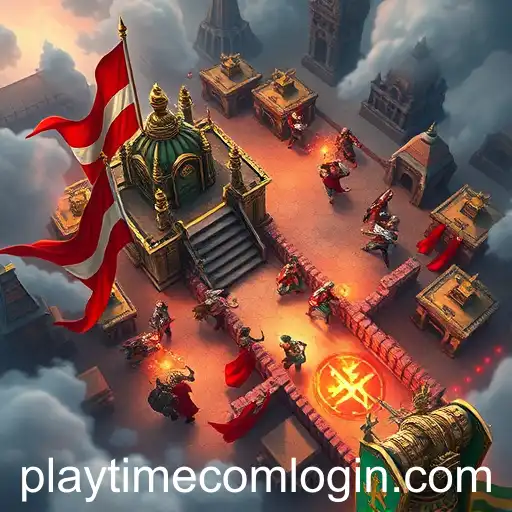
In the diverse world of video games, strategy games hold a unique position that challenges players to think ahead, plan meticulously, and execute their strategies with precision. Known for their depth and complexity, strategy games offer players a mental workout with a variety of gameplay experiences. One of the most intriguing elements of strategy games is the concept of 'playtime'—a term that encapsulates how long and to what extent players engage with these games.
Playtime in strategy games can vary significantly based on several factors. Hardcore enthusiasts might find themselves immersed in epic campaigns or online battles for countless hours, often losing track of time. This is because strategy games, whether it's real-time strategy (RTS) or turn-based (TBS), require a deep level of engagement as players ponder over their next move, analyze opponents' strategies, and tweak their tactics to ensure victory.
Games like 'Civilization', 'StarCraft', and 'Total War' are prime examples where playtime can stretch from a few hours to entire days. The allure lies in the ever-changing scenarios and the thrill of outsmarting other players or AI opponents. Many strategy games offer expansive maps, intricate storylines, and complex mechanics that demand significant time investment, offering a sense of accomplishment once one successfully conquers a challenge.
Moreover, multiplayer options further extend playtime as players engage in competitive battles with friends or strangers, adding an unpredictable human element that AI cannot fully replicate. Leaderboards and ranking systems in online modes also push players to invest more time in honing their skills and climbing the ranks.
However, strategy games are not only about lengthy campaigns but also quick skirmishes and shorter game modes, which provide flexibility in gameplay. These modes are perfect for those who wish to enjoy the strategic elements without a hefty time commitment, making strategy games accessible to a broader audience.
Ultimately, the playtime associated with strategy games is a testament to their enduring appeal. The complexity and satisfaction derived from mastering a game with countless variables ensure that players keep coming back, testing new strategies, and enjoying the immersive challenges these games offer. As the genre continues to evolve, it's clear that strategy games will remain a cornerstone of the gaming world, promising engaging and time-consuming experiences for all who dare to enter their intricate worlds.
The Evolution of Online Gaming in the Modern Era

Exploring the impact of technological advancements in the online gaming community and the role of 'playtime' in shaping player experiences.
2025-12-11
Revolutionizing Gaming with 'Playtime'

An exploration of how 'Playtime' is shaping the online gaming scene in 2025, integrating current trends and future possibilities.
2025-12-09
The Evolution of Playtime in Digital Realms

An exploration of how playtime in digital gaming has evolved with societal and technological changes, as well as its current impact.
2025-12-08
Gaming Evolution: The Rise of Playtime

An exploration of how 'playtime' has become a cornerstone concept in the gaming world, reflecting ongoing changes and technological advancements.
2025-12-07

 download apk/ios